Jet fuel fears recede, but air cargo settles into a higher-cost era
Global trade patterns were continuing to shift, with more production moving into South-east Asia and India.
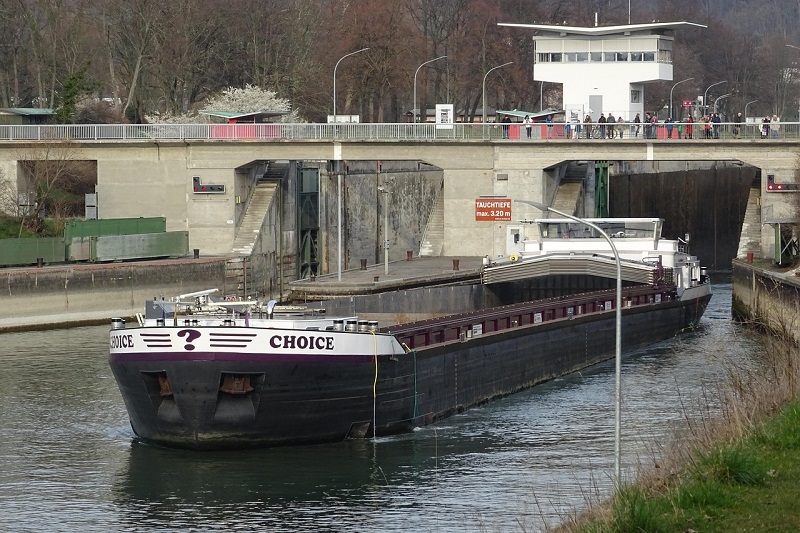
The fuel crisis is driving interest in intermodal transport. Growing geopolitical tensions and the associated crisis surrounding the Strait of Hormuz are also having an increasingly significant impact on European transport.
A new report from the EITD shows that the first quarter brought a sharp upswing in spot-market activity, heavier traffic on freight platforms and clear upward pressure on prices.
The eurozone manufacturing PMI rose to a 47-month high. Spot-market load offers rose sharply across 14 major European corridors in the first quarter of 2026.
The Middle East typically supplies up to 75% of the region’s jet fuel imports, feeding major aviation markets like the UK, Germany, France, Spain, Turkey and Italy.
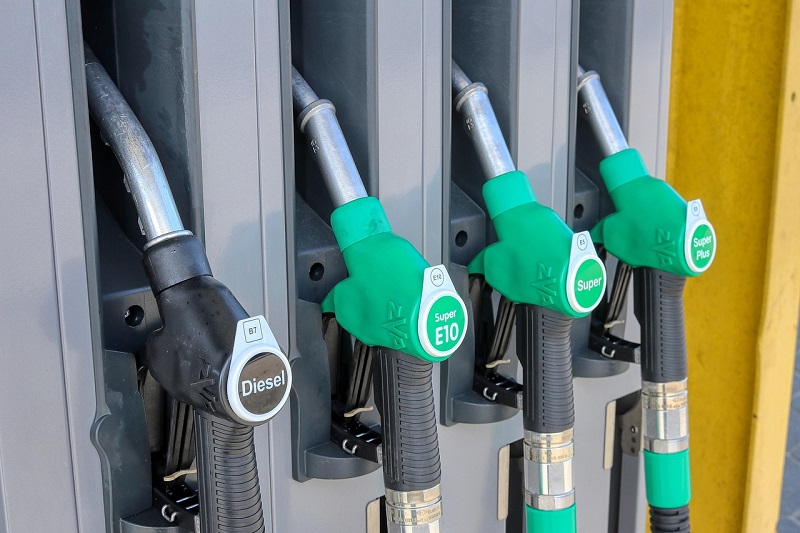
Thefts of diesel from trucks, as well as from construction machinery, are on the rise as fuel prices increase.
The International Monetary Fund cut its growth outlook on Tuesday, April 13, due to Middle East war-driven energy price spikes.
Industry officials warned that jet fuel supplies will remain tight and costly for months, even if Iran reopens the Strait of Hormuz, after damage to refining capacity across the Middle East.
From 1 April, state-imposed price caps on petrol and diesel have been in force in Poland. At the same time, VAT on fuel has been reduced from 23 per cent to 8 per cent, and the energy tax has been cut to the minimum level in the EU.
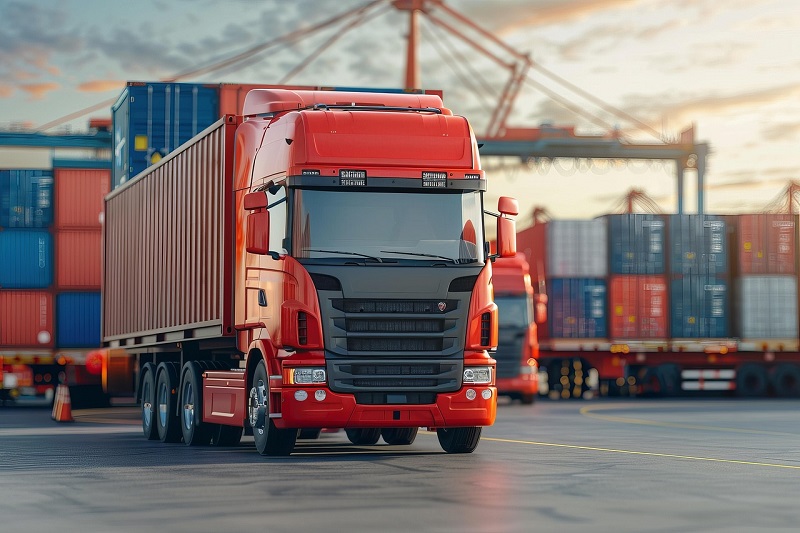
The increases in e-TOLL rates and the expansion of the toll road network from February 2026 have significantly increased operating costs for transport companies.
If crude oil and liquefied natural gas prices remain high throughout 2026 due to the conflict, global trade in goods could slow further to 1.4%, WTO economists said.
Euro zone industrial production unexpectedly shrunk in January as most of the bloc's biggest countries recorded declines.