The IMF’s “adverse scenario” looks increasingly likely
The International Monetary Fund cut its growth outlook on Tuesday, April 13, due to Middle East war-driven energy price spikes.
Industry officials warned that jet fuel supplies will remain tight and costly for months, even if Iran reopens the Strait of Hormuz, after damage to refining capacity across the Middle East.
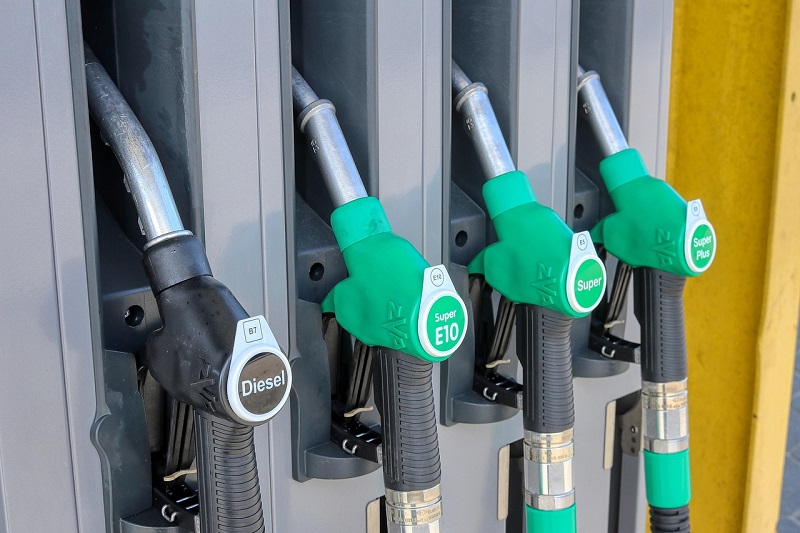
From 1 April, state-imposed price caps on petrol and diesel have been in force in Poland. At the same time, VAT on fuel has been reduced from 23 per cent to 8 per cent, and the energy tax has been cut to the minimum level in the EU.
The increases in e-TOLL rates and the expansion of the toll road network from February 2026 have significantly increased operating costs for transport companies.
If crude oil and liquefied natural gas prices remain high throughout 2026 due to the conflict, global trade in goods could slow further to 1.4%, WTO economists said.
Euro zone industrial production unexpectedly shrunk in January as most of the bloc's biggest countries recorded declines.
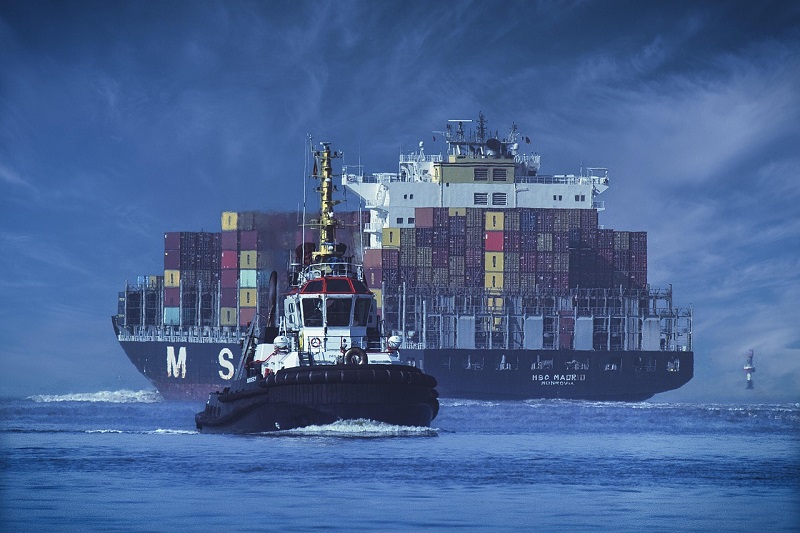
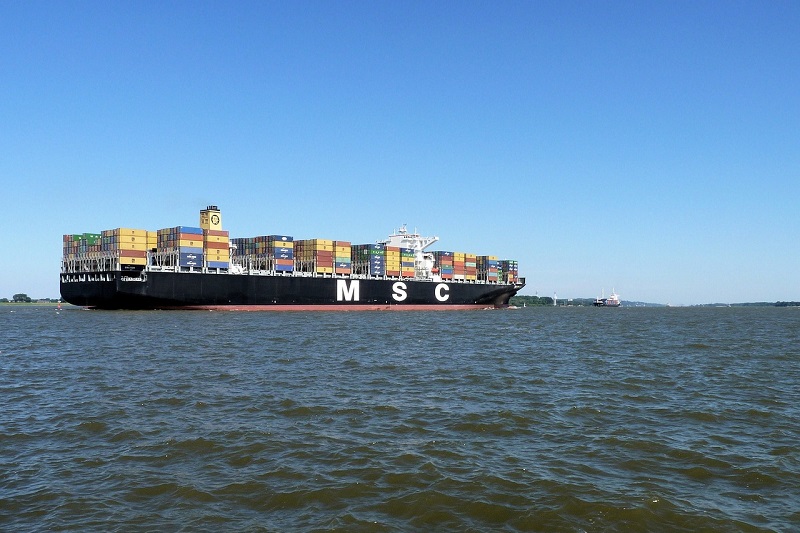
Disruption to Gulf hub operations tightens capacity, sends rates soaring on key Asia-Europe lanes and forces forwarders to devise unconventional routing solutions.
Multiple forwarders have told The Loadstar they are seeing their boxes “dumped anywhere” as container lines look to deal with the fallout of the latest conflict in the Middle East.
The U.S.-Israeli war with Iran could leave consumers and businesses worldwide facing weeks or months of higher fuel prices even if conflict ends quickly.
Ports look like prime targets. Ports do not need a top-grade hack to suffer similar consequences. They just need the wrong file opened in the wrong place.
The HCOB Flash Eurozone Composite PMI, compiled by S&P Global, rose to 51.9 in February from 51.3 in January, marking the 14th consecutive month of expansion.
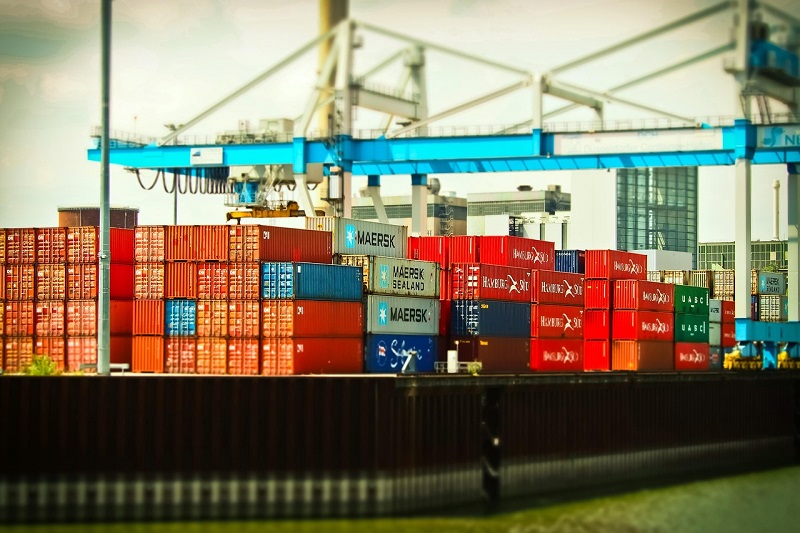
In 2025, Polish seaports – Gdańsk, Gdynia, Szczecin and Świnoujście – handled 141 million tonnes of cargo. The number of containers increased to 3.9 million TEU, i.e. by 18 per cent.