
Euro zone businesses perform better than expected in February
The HCOB Flash Eurozone Composite PMI, compiled by S&P Global, rose to 51.9 in February from 51.3 in January, marking the 14th consecutive month of expansion.
The HCOB Flash Eurozone Composite PMI, compiled by S&P Global, rose to 51.9 in February from 51.3 in January, marking the 14th consecutive month of expansion.
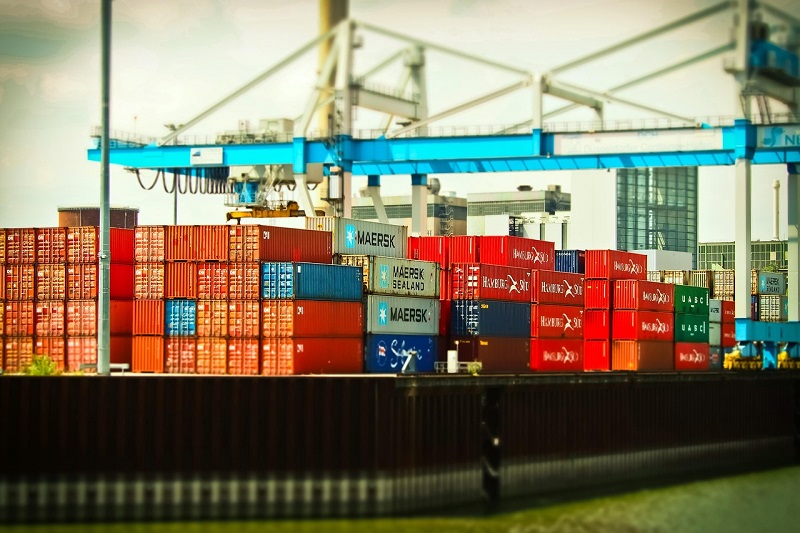
In 2025, Polish seaports – Gdańsk, Gdynia, Szczecin and Świnoujście – handled 141 million tonnes of cargo. The number of containers increased to 3.9 million TEU, i.e. by 18 per cent.

IATA said it expects moderate growth of 2.4% in 2026, in line with historical trends.

63% of manufacturers will source more of their materials domestically over the next five years, up from 49% since 2020.

The HCOB Eurozone Manufacturing Purchasing Managers' Index (PMI), compiled by S&P Global, rose to 49.5 in January from December's nine-month low of 48.8.

Air cargo shipments between Asia and North America slipped 0.8% last year in the first such decline for some time, while volumes between Europe and Asia increased by 10.3%.

Europe’s road haulage sector is recovering, but the pace remains slow and uneven. Transport demand is edging up, yet volumes are still below pre-crisis levels.

Growth in the European Union was forecast at 1.3% in 2026 and 1.6% in 2027 - compared with 1.5% in 2025 - driven by resilient consumer spending.

As of 2026, far-reaching changes to European Union regulations are reshaping how the transport, forwarding and logistics sector operates.

Next year, hauliers will face toll increases, the extension of charges to more roads and changes to road charging systems in several European countries. For the transport industry, this means recalculating rates, routes and contract profitability.

Lithuania Reopens Šalčininkai and Medininkai Border Crossings with Belarus

Border controls between EU countries hit hauliers